
This is part of a series of articles on the Yu-Gi-Oh! Trading Card Game, written to assist players participating in the Cup of Greed tournament, hosted by Pod of Greed (the only podcast officially sponsored by KaibaCorp).
As the game continues to evolve, your set of staple cards...actually hasn't changed that much, but the quantities very much have. Most strong Traps that respond to summons have been limited or banned outright, encouraging reliance on (supposedly) softer interruption like Effect Veiler and Maxx "C". Also present is the format-defining Soul Charge, which supplants the banned Monster Reborn.
Vanity's Emptiness has been banned for the tournament and so is not included here.

Let's start with the new card. Soul Charge revives however many monsters you want from your graveyard, but costs you 1000 LP per monster, and denies your Battle Phase. This looks like a hefty price, but frankly, it's a steal. The question isn't if you should run Soul Charge, it's if you should run 3, or just 2. The open-ended nature of Soul Charge makes you want to do a mass revival, but don't be afraid to Soul Charge for just one or two. Conversely, don't let the steep LP cost make you go narrow when you should've gone big.

You know what it does, it still works, it's just now you can only run one copy.

A chainable trap that deals with Xyz Monsters or prevents their summoning to begin with, and does it all without destroying (there's a lot of destruction resistance going around). There's a reason this card got limited.
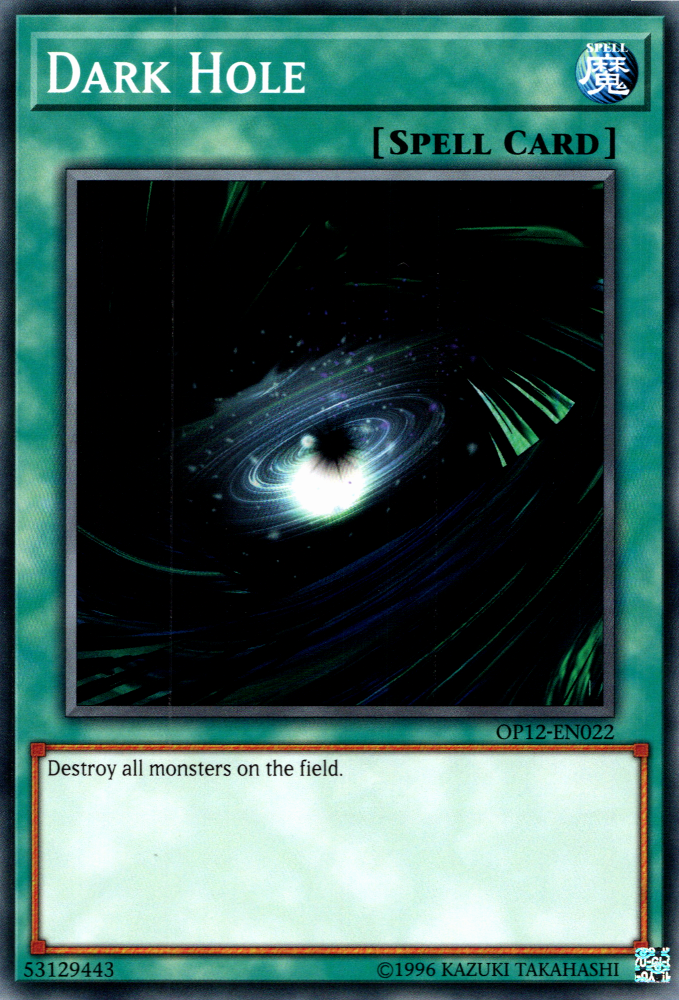
Dark Hole destroys all monsters on the field. In 2010, Heavy Storm went out, and Dark Hole came in. The importance of this change is hard to overstate. On the one hand, you can now set four and end without fear of eating a Heavy Storm; on the other hand, your monsters are always a single Dark Hole away from oblivion. This means that this era, despite having the explosive power of Synchros, is also very control-oriented.
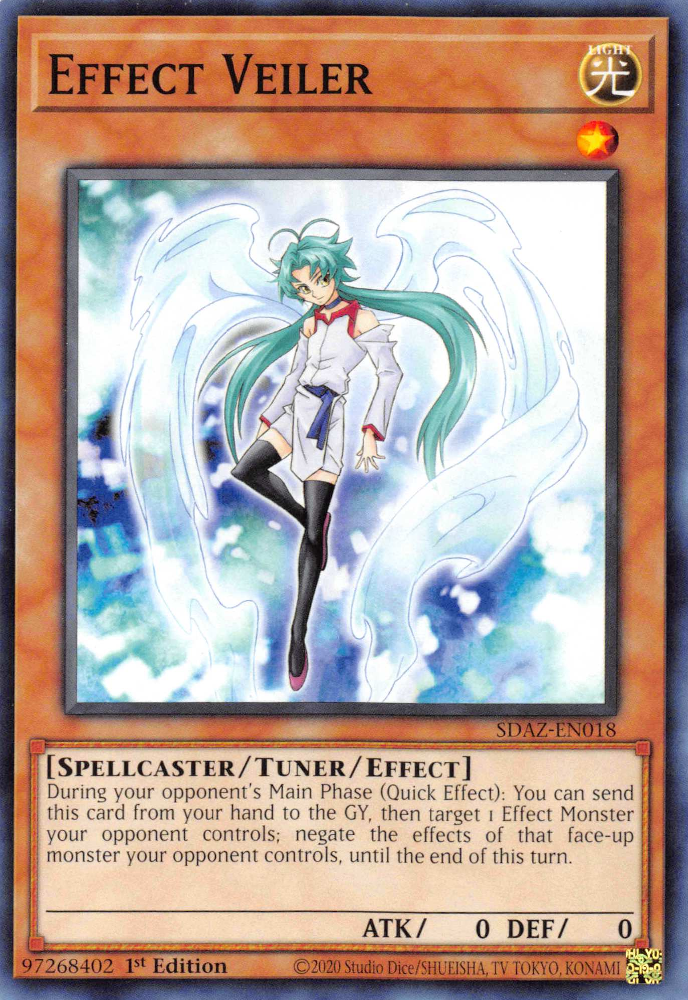
Effect Veiler has only gotten better, as the dependence on monster effects (triggering on your own turn) increases while dependence on Spells and Traps continues to decrease. It remains a touch situational though, because some monsters - and some decks - simply do not care about it, so gauge your use of it wisely.
If a monster, like Rescue Rabbit, removes itself from the field in order to activate its effect, Veiler naturally cannot be activated in response, because the monster is no longer on the field to be targeted. You can however use Veiler preemptively and this will (in most cases) get you what you want.
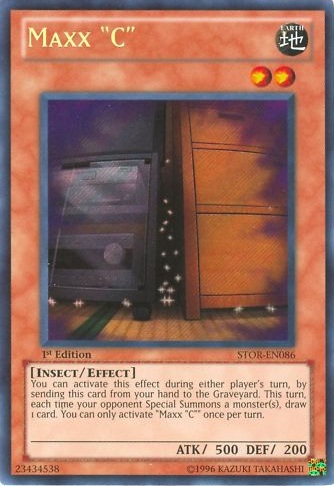
Maxx "C" is ever so slowly inching toward its famous game-decisive status. In a casual, oddball environment like this though, I wouldn't go all in on the cockroach just yet. I'd recommend 1-2 copies in the Main Deck, and the rest in the side.
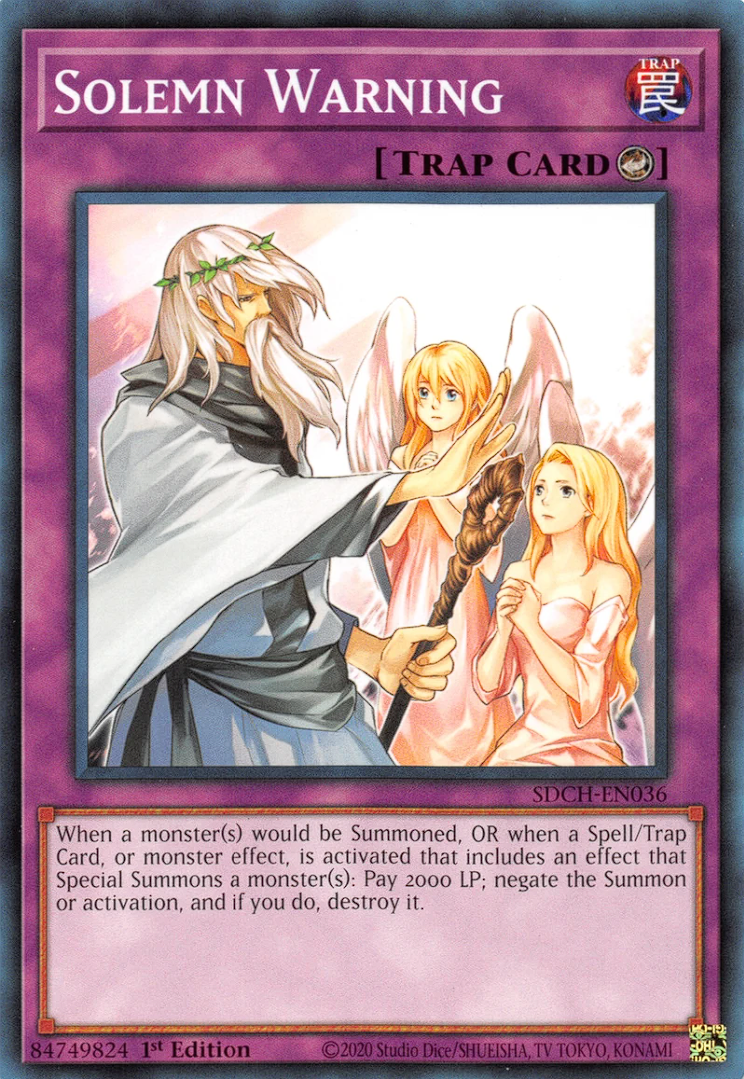
Solemn Judgment banned, and Warning limited to 1. That should tell you how precious this card is. When that summon simply cannot be allowed to happen, Warning is there.

Did you know this is my favorite card?

A more situational, but cheaper supplement to Solemn Warning. Remember that because of how the "Summon negation window" works, you can use Black Horn to negate an Xyz or Synchro Summon, or the built-in summon of a card like Black Luster Soldier - Envoy of the Beginning, but not the summon of a monster via an effect, like with Polymerization, Lonefire Blossom, or Soul Charge.

I've limited myself to just two Xyz Monsters, since there's no reason to expect your deck can make a particular Rank. But Rank 4 has a lot of options, and its terrible ace-in-the-hole is Evilswarm Exciton Knight, which can wipe the board at will. Exciton Knight has been specially limited for this tournament.

A sort of "offensive wall", Zenmaines is an ideal turn 1 play, and works almost as well as an emergency shield or fixer. Learn when to play it, and how to play around it. Its destruction effect is mandatory, so Zenmaines can be forced to destroy itself or another of its controller's cards.

No comments:
Post a Comment